Why Sunscreen Is the #1 Anti-Aging Step in 2026 – Nurse & Cosmetologist Approved
Daily sunscreen remains the single most powerful anti-aging step in 2026 — preventing more visible damage than retinol, lasers, or injectables combined. A licensed nurse and cosmetologist breaks down the science, best 2026 formulas for every skin type, chemical vs mineral, pregnancy-safe picks, exact application rules, and real patient/results photos
By Sam, LPN, Licensed Hairstylist & Cosmetologist Founder, Glow Formula Co
12/15/202514 min read


As a licensed practical nurse, licensed hairstylist, and cosmetologist, I’ve spent years treating the integumentary system — the body’s largest organ — from both clinical and aesthetic perspectives.
In nursing, I assisted with wound care and post-procedure healing and witnessed the cellular devastation chronic UV exposure causes. In the salon, I routinely correct solar lentigines (sunspots), telangiectasias (broken capillaries), elastosis (crepey texture), and the rapid pigment oxidation that turns expensive blonding brassy in weeks instead of months.
This dual medical + aesthetic lens has given me absolute certainty on one fact: daily broad-spectrum sunscreen is still the single most effective thing you can do to prevent visible aging in 2026 — more powerful than any retinoid, antioxidant, peptide, laser, or injectable at stopping photoaging before it starts.
(Retinol and procedures are fantastic for correcting existing damage — but an ounce of prevention with SPF is worth pounds of expensive cure.)
Why Sunscreen Is Still the #1 Anti-Aging Step in 2026 (Science + Real Life)
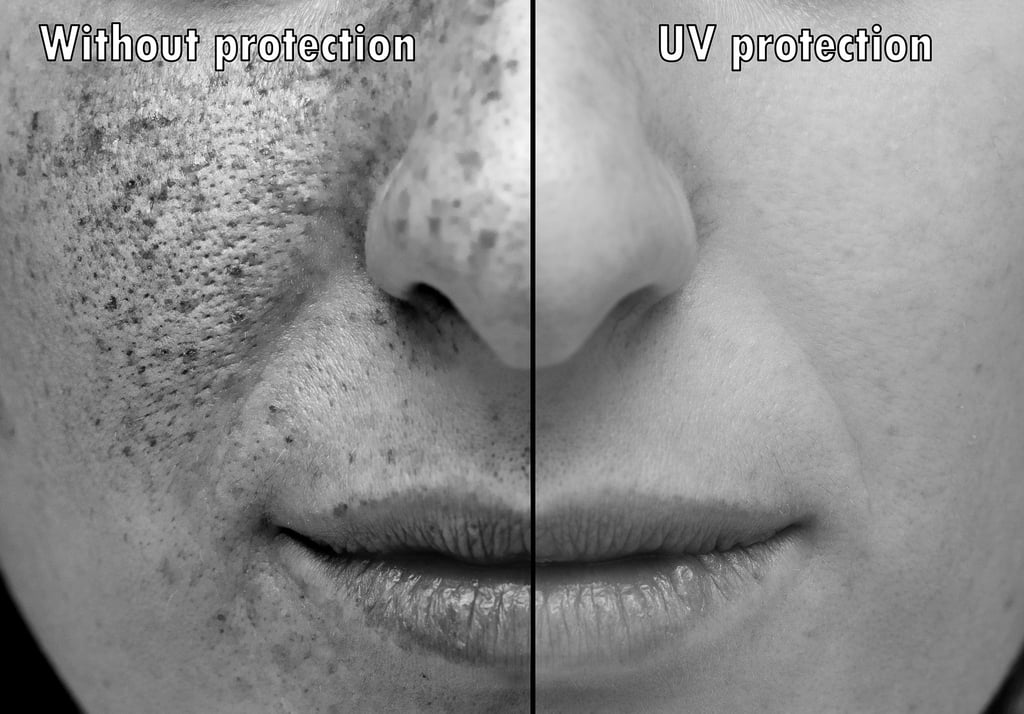
Photoaging—driven primarily by UVA and UVB radiation—accounts for up to 90% of visible skin changes we attribute to “getting older” (wrinkles, loss of firmness, and dark spots).
Daily broad-spectrum SPF prevents:
Collagen degradation
Dermal matrix disorganization
Melanocyte dysfunction leading to uneven pigmentation
Chronic low-grade inflammation
All of these originate from cumulative UV exposure. As someone trained in the pathophysiology of the integumentary system, I’ve seen thousands of times how preventable this entire cascade is with consistent, proper photoprotection.
In this 2026 evidence-based guide, I’ll give you everything I teach my patients and clients:
The undeniable science behind why sunscreen remains the cornerstone of anti-aging
The optimal age to begin daily photoprotection (hint: most people start 10–20 years too late)
The clinical and cosmetic consequences of skipping SPF
My current top sunscreen picks for every skin type and concern
Chemical vs. mineral filters: 2026 differences in mechanism, real-world efficacy, and safety
Pregnancy- and breastfeeding-safe options
Precise application, reapplication, and layering techniques for maximum protection
The correct dosage (2 mg/cm²) for the SPF number on the bottle to actually work
Long-term before-and-after benefits I document daily in both medical and aesthetic practice
The Importance of Sunscreen in Anti-Aging: The One Step No Treatment Can Fully Replace
Sunscreen isn’t just a summer essential—it’s a non-negotiable daily shield against ultraviolet (UV) rays that pass through clouds, car and office windows (UVA penetrates glass), and even some lightweight clothing.
UVA rays (the “aging” rays) penetrate deeply into the dermis, degrading collagen and elastin, triggering matrix metalloproteinases (MMPs), and causing wrinkles, sagging, and loss of firmness.
UVB rays (the “burning” rays) primarily affect the epidermis, causing sunburn and directly contributing to skin cancer.
By blocking both with a broad-spectrum sunscreen, you preserve the structural integrity of your skin at the cellular level.
Its importance goes far beyond aesthetics. High-quality randomized trials show that consistent daily broad-spectrum sunscreen use significantly reduces skin cancer risk:
Melanoma: up to 50–73 % lower incidence of invasive melanoma after 10–15 years (Nambour trial long-term follow-ups, 2011 & later)
Squamous cell carcinoma (SCC): approximately 40% reduction (Nambour RCT)
Basal cell carcinoma (BCC): evidence of reduction, though less pronounced than for SCC
For visible anti-aging, the evidence is even more dramatic: The landmark 2013 randomized controlled trial published in Annals of Internal Medicine (Green et al.) followed participants for 4.5 years and found that daily sunscreen users had 24 % less skin aging — measured objectively by silicone skin casts (microtopography) and clinically graded — than the control group. No topical or procedural treatment has ever matched this magnitude of prevention in a head-to-head trial.
Bottom line: Up to 90 % of visible skin aging is caused by UV exposure (repeated across decades of dermatology literature). Sunscreen prevents the damage that retinol, lasers, peels, and injectables can only partially correct later.
As a nurse and cosmetologist, I see the same regret every single day from clients who say, “I wish I had started sooner.” The science backs up what I witness: daily SPF is still the single most powerful anti-aging step available in 2026.
Infants under 6 months: The American Academy of Dermatology (AAD), American Academy of Pediatrics (AAP), and FDA all recommend avoiding sunscreen when possible and no direct sun exposure. Use physical barriers only: shade, sun-protective clothing, hats, and stroller canopies
6 months and older (including toddlers and children): Begin with broad-spectrum, water-resistant SPF at least 30–50+ and reapply every 2 hours (or immediately after swimming/sweating).
For teens and adults:
Starting in your teens or 20s gives you the maximum lifelong protective advantage because UV damage is cumulative and irreversible.
Starting in your 30s, 40s, 50s, or beyond is still extraordinarily powerful—it stops the bleeding, prevents new damage, and allows partial natural repair of existing collagen and DNA.
Key 2026 reminder: This is a year-round, every-single-day habit, even indoors. Modern windows block most UVB but let through 70–90% of aging UVA rays. Sitting by a window (home, office, car, and airplane) without SPF is one of the biggest hidden causes of asymmetric facial aging and melasma.
Bottom line: There is no age at which daily broad-spectrum sunscreen becomes “optional.” The earlier you make it non-negotiable, the less you’ll ever need the corrective treatments later.


The Best Time to Start Daily Sunscreen? Yesterday. The Second-Best Time? Right Now—Regardless of Your Age.


What Happens If You Skip Daily Sunscreen: The Real-Life Consequences I See Every Day
Skipping sunscreen isn’t just a missed step—it’s the fastest way to accelerate visible aging and irreversible damage.
Without consistent broad-spectrum protection, cumulative UV exposure triggers:
Direct DNA damage in skin cells
Activation of matrix metalloproteinases (MMPs) that break down collagen and elastin → deeper wrinkles, sagging, and leathery texture years ahead of schedule
Solar lentigines (“sunspots” or “age spots”) and stubborn melasma
Persistent telangiectasias (broken capillaries) and chronic redness
Solar elastosis — the rough, thickened, “pebbly” texture no laser can fully reverse
Worsened inflammatory conditions: rosacea flares, post-inflammatory hyperpigmentation, and eczema aggravation
From a medical perspective (and from what I’ve seen in wound-care and post-procedure settings): Unprotected UV exposure is the leading preventable cause of skin cancer — basal cell carcinoma (BCC), squamous cell carcinoma (SCC), and melanoma. In the U.S., skin cancer is the most commonly diagnosed cancer, and the vast majority of cases are directly linked to UV exposure.
The harsh truth: Most of the damage we’re now trying to fix with expensive lasers, injectables, peels, and procedures could have been prevented entirely with daily broad-spectrum sunscreen. Once the collagen network is destroyed and DNA mutations accumulate, we’re only playing defense — never true offense.
Prevention is infinitely easier — and cheaper — than correction. Don’t learn this the hard way.
Sunscreen for Different Skin Types: Tailored Picks for Compliance and Efficacy
Not all sunscreens are created equal—choosing the right one based on your skin type is key to consistent use and real results. A mismatched formula can lead to pilling, breakouts, or irritation, turning photoprotection into a chore. As a nurse and cosmetologist, I always start with your skin profile to ensure the SPF you love feels like a treat, not a task.
Here’s my 2026 guide to the best options, with evidence-backed recommendations (all broad-spectrum, SPF 30–60+, water-resistant, and non-comedogenic where needed. These picks prioritize lightweight textures, no white cast (especially for deeper tones), and added perks like hydration or oil control to boost anti-aging benefit
For Dry Skin:
Hydrating Formulas That Nourish Without Greasiness
Dry skin needs SPF that doubles as a moisturizer—look for creams or milks with hyaluronic acid, ceramides, or shea butter to lock in hydration while preventing flakiness.
For Oily Skin:
Matte, Oil-Free Picks That Control Shine
Oily skin thrives on gels or fluids with niacinamide or silica to mattify—avoid heavy creams to prevent excess oil buildup.


For Sensitive Skin:
Gentle Mineral Barriers with Minimal Irritants
Sensitive skin demands fragrance-free minerals like zinc oxide—opt for hypoallergenic formulas tested on eczema-prone skin.


For Acne-Prone Skin:
Non-Comedogenic Heroes That Won't Clog Pores
Focus on oil-free, lightweight SPFs with salicylic acid or niacinamide to fight breakouts while protecting.


For Combination Skin:
Balanced Formulas for T-Zone & Cheek Harmony
Combination needs versatile gels or lotions that hydrate dry areas without overloading oily zones.


For Mature Skin:
Anti-Aging Boosters with Peptides & Antioxidants
Mature skin benefits from SPFs with collagen supporters like vitamin C or peptides to firm while protecting.


For Dark Skin Tones:
Invisible, Sheer Formulas with Zero Ashiness
Prioritize sheer or tinted minerals that blend seamlessly—iron oxides help neutralize blue tones.


Pro Tip for All Types:
Always patch-test a new sunscreen on your inner arm for 48 hours to check for any irritation before full use. For deeper skin tones, opt for tinted mineral sunscreens that blend seamlessly without leaving a white cast, as the iron oxides in them provide an extra layer of protection against melasma by blocking visible light. Reapply every 2 hours outdoors, or right after swimming or sweating to maintain efficacy, and if your skin feels dry underneath, layer a lightweight moisturizer first for better comfort without compromising the protection.
Chemical vs. Mineral Sunscreens: Which Is Right for You in 2026?
Understanding the two main types of sunscreens—chemical (often called organic) and mineral (also known as physical)—empowers you to make smarter, skin-specific choices. Both deliver broad-spectrum protection when labeled SPF 30+ and used correctly, but their mechanisms, textures, and suitability differ. Here's the evidence-based breakdown.
How They Work: The Core Difference
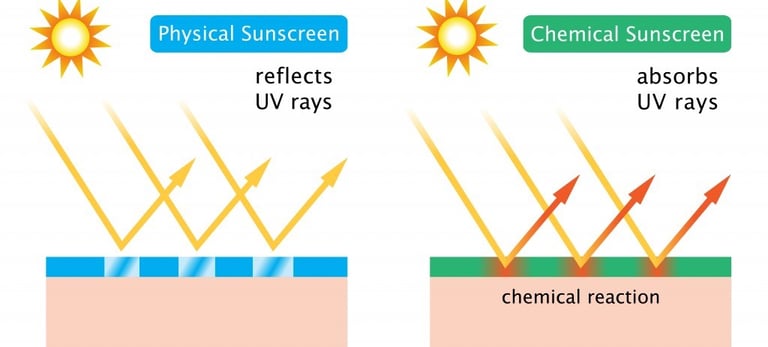
Chemical Sunscreens: These act like a sponge, absorbing UVA and UVB rays into the skin's upper layers, where they're converted into heat and released harmlessly. Common active ingredients include avobenzone (UVA blocker), oxybenzone (broad-spectrum), and octinoxate (UVB absorber). They need 15–20 minutes to fully activate after application.
Mineral Sunscreens: These form a physical barrier on the skin's surface, reflecting and scattering UV rays like tiny mirrors—immediate protection, no absorption required. Key actives are zinc oxide (broad-spectrum, anti-inflammatory) and titanium dioxide (primarily UVB, some UVA).
In 2026, both types are rigorously tested for photostability (no breakdown in sunlight), but hybrids (blends of both) are surging in popularity for the best of both worlds—elegant texture with barrier benefits.
Pros and Cons:
A Quick Comparison I've pulled this into a table for easy scanning—based on clinical data, FDA guidelines, and real-world use.
The 2026 Verdict: No Clear "Winner," But Minerals Have the Edge for Most Both offer equal protection if broad-spectrum and SPF 30+ (blocks 97% UVB), but minerals shine for sensitivity and sustainability—especially with nano-free, tinted innovations dodging the white cast. The FDA's ongoing absorption studies (no major 2025 updates) emphasize reapplication over type, but they've flagged chemicals for further scrutiny.
My Pro Tip: Start with your needs—if sensitive or reef-bound, go mineral (e.g., tinted zinc for melasma). For seamless feel, try a hybrid. Always check labels: Avoid oxybenzone/octinoxate for ocean swims or if concerned about reefs/pregnancy.
Is Sunscreen Safe During Pregnancy and Breastfeeding? Yes—But Mineral Is Your Best Bet
I get this question daily: "Is it safe to slather on SPF while pregnant or nursing?" The short answer: Absolutely yes, sunscreen is safer than unprotected UV exposure. Untreated sun can worsen melasma (that stubborn "mask of pregnancy" pigmentation), deplete folic acid (up to 20% loss from UV, per studies), and raise skin cancer risks for you and baby down the line. The FDA and AAD unanimously agree: The benefits of broad-spectrum protection far outweigh any theoretical risks from sunscreen itself.
Why Mineral Sunscreens Are the Gold Standard for Pregnancy and Breastfeeding
No Absorption, No Worries: Mineral (physical) sunscreens with zinc oxide and/or titanium dioxide sit on your skin's surface like a shield, reflecting UV rays away without penetrating the bloodstream. The FDA classifies these as GRASE (Generally Recognized as Safe and Effective)—the only sunscreen actives with that stamp. No detectable transfer to baby via placenta or breast milk.
Gentle on Sensitive Skin: Pregnancy hormones make your skin more reactive (hello, irritation and breakouts). Minerals are inert, fragrance-free options that soothe rather than sting—perfect for melasma-prone or eczema-flared skin.
Immediate Protection: Unlike chemicals, they work the second you apply—no 15–20 minute wait.
My Recommendations (All 100% Mineral, Broad-Spectrum SPF 30–50+, Water-Resistant):
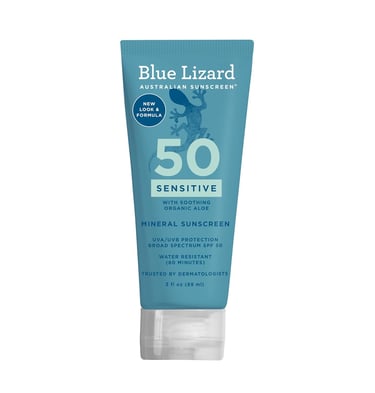
Face/Body Daily Driver: Blue Lizard Sensitive Mineral Sunscreen SPF 50+ (~$18)—Unscented, rubs in clear, reef-safe.
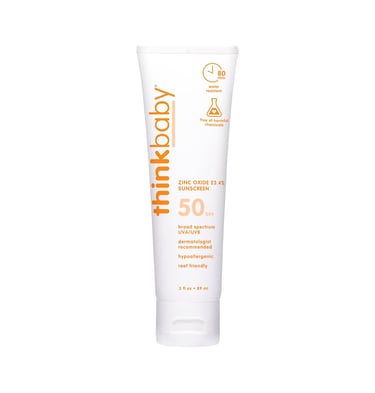
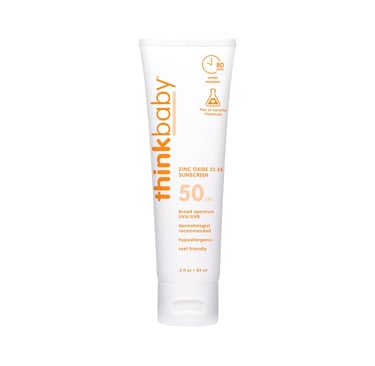
Tinted for Melasma Defense: Thinkbaby Safe Sunscreen SPF 50+ (~$15)—Sheer tint with iron oxides blocks visible light (another pigmentation trigger)
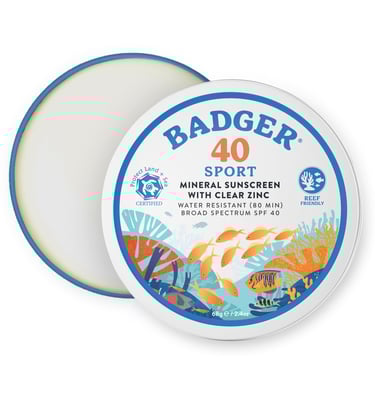
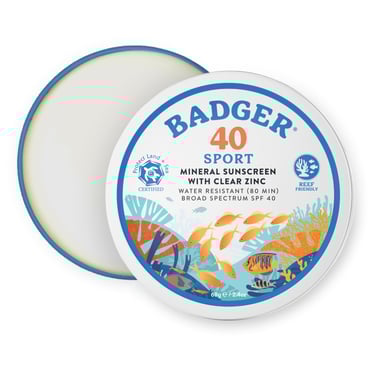
On-the-Go Stick: Badger Clear Zinc SPF 40 (~$10)—Portable for lips, ears, and hands; easy reapplication without mess.
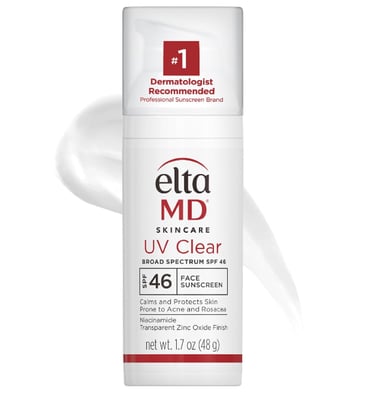
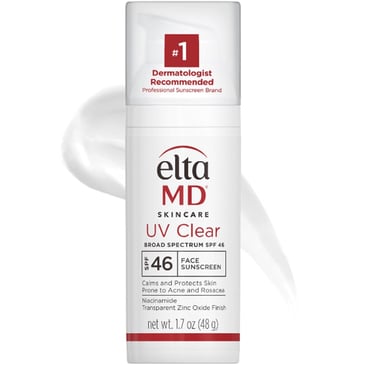
Luxury Pick: EltaMD UV Elements Tinted SPF 46 (~$45)—Antioxidant-rich, universal shade; layers under makeup for that "effortless" maternity look.
Apply 1/4 teaspoon to face/neck (two finger-lengths) as your last skincare step, reapply every 2 hours outdoors or after sweating. Pair with UPF clothing, hats, and shade.
The Bigger Picture: Why Skipping SPF Hurts More Than It Helps
UV exposure during pregnancy isn't just about wrinkles—it's a known risk factor for melanoma (with unprotected sun linked to up to a 50% increased lifetime risk from cumulative exposure, per long-term studies) and folate breakdown (~20% loss in high-exposure women, per research), which is crucial for neural tube development. For breastfeeding, sun can trigger or worsen painful skin flares like hives or heat-aggravated rashes. Daily mineral SPF helps prevent these risks without compromise.
How to Layer Sunscreen in Your Skincare Routine: The Exact Order
Sunscreen is always the last step of your morning skincare—no exceptions. Applying it too early buries your expensive serums under a barrier they can’t penetrate, and slapping it under moisturizer dilutes its protection. Follow the classic “thinnest to thickest” rule and you’ll get full absorption of actives + full UV defense.
Morning Routine Order (2025 Gold Standard)
Cleanser
Toner / Essence / Mist
Treatment serums (vitamin C, niacinamide, hyaluronic acid, peptides, etc.)
Eye cream
Moisturizer / day cream (let it sink in 1–2 minutes)
SUNSCREEN ← your protective seal
Makeup (wait 1–2 minutes after SPF so it sets and doesn’t pill)
Timing Rules by Type
Chemical sunscreens → apply 15–20 minutes before sun exposure so filters can bind to skin and activate.
Mineral sunscreens → immediate protection—apply and walk out the door.
How Much to Use (Most People Use 25–40% of What’s Needed)
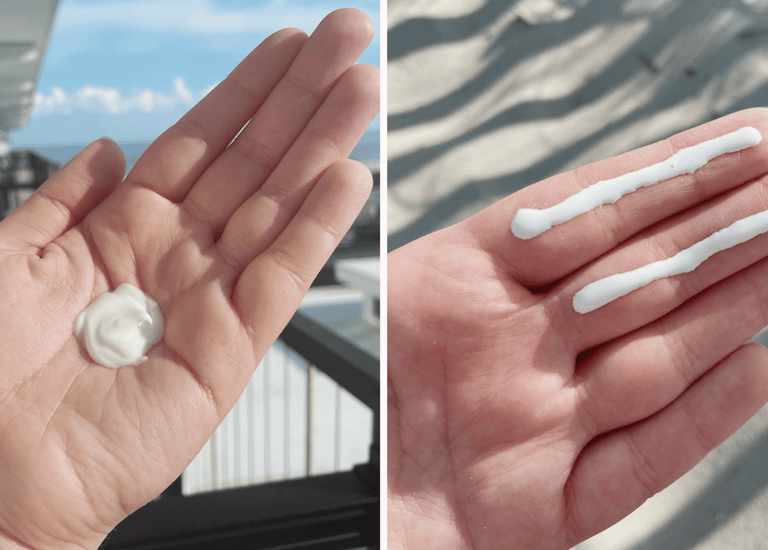
Face + neck + ears: At least 1/4 to 1/2 teaspoon (two adult finger-lengths when squeezed onto index + middle finger).
Don’t rub it in forever—pat or press gently for 20–30 seconds until it disappears. Over-rubbing can reduce efficacy by breaking the protective film.
Reapplication Rules (Non-Negotiable for Real Protection)
Every 2 hours when outdoors
Immediately after swimming, sweating, or toweling off
Indoors near windows / driving: Once mid-day is usually enough for most people (UVA penetrates glass, but less frequent reapplication needed without sweat/water)
Over makeup trick: Use a sunscreen powder (e.g., Colorescience Sunforgettable) or mist (e.g., Supergoop! Defense Refresh).
Common Mistakes
Mixing sunscreen into moisturizer or foundation → dilutes SPF dramatically
Skipping neck, ears, eyelids, and backs of hands → classic “tell-tale” aging zones
Applying SPF first “for better protection” → blocks all your actives from absorbing
Do it this way every single morning and you’ll never waste another drop of serum or photon of protection. Your skin (and future self) will thank you.
The Correct Amount to Use
Under-application is common and ineffective. For the face, use about 1 teaspoon—roughly the length of your index and middle fingers combined. For the full body, apply 1 ounce (a shot glass full), equating to 2 mg per square centimeter of skin. Don't rub in too thinly; a generous layer ensures rated SPF protection (over-rubbing can reduce efficacy by breaking the film).
The Benefits of Daily Sunscreen Use
Beyond stopping wrinkles, consistent broad-spectrum SPF delivers measurable, life-changing wins:
Prevents sunburn and the DNA damage that follows
Cuts skin cancer risk by up to 50–80% when started early (AAD 2025 data)
Keeps tone even by blocking excess melanin production → less melasma, sunspots, and post-inflammatory marks
Slows collagen breakdown → firmer, bouncier skin with fewer deep lines
Reduces redness and flare-ups in rosacea, eczema, and acne-prone skin
Improves texture and elasticity—long-term studies show 24% less visible aging after 4–10 years of daily use
Speeds healing after lasers, peels, or surgery
Frequently Asked Questions (FAQs)
Q: Do I really need sunscreen if I’m indoors all day? A: Yes. UVA (the aging rays) passes through windows and is responsible for the majority of visible photoaging. Even typical office lighting can emit low-level UVA. For most indoor lifestyles, one generous morning application + one quick mid-day reapplication is sufficient.
Q: Can I skip moisturizer if my sunscreen is hydrating? A: You can if your sunscreen contains true barrier-repair ingredients (ceramides, hyaluronic acid, niacinamide, glycerin) and your skin feels comfortable all day. In winter, on dry/mature skin, or in air-conditioned environments, most people still benefit from a separate moisturizer underneath.
Q: Is SPF 100 really better than SPF 50? A: Only slightly. SPF 50 blocks ≈ 98 % of UVB rays; SPF 100 blocks ≈ 99 %. The real-world difference is tiny, and many people under-apply high-SPF products, ending up with less protection than if they had used SPF 50 generously. SPF 30–60+ applied correctly is perfectly adequate for daily use.
Q: Does sunscreen expire? A: Yes. Check the PAO symbol (open jar icon with “6M,” “12M,” or “24M”) on the packaging. Once opened, most sunscreens maintain full efficacy for 12 months if stored properly. Expired sunscreen can lose potency and may irritate skin.
Q: Can I use yesterday’s leftover sunscreen sitting on my vanity? A: Not recommended. Once exposed to air, heat, light, or bacteria (especially from dipping fingers), it degrades faster. Always squeeze or pump fresh product each morning.
Q: Is one application in the morning enough for the whole day? A: Only if you stay indoors away from windows. Near glass, driving, or outdoors → reapply every 2 hours (or immediately after sweating/swimming). This is non-negotiable for labeled protection.
Q: I wear foundation or tinted moisturizer with SPF 30. Do I still need separate sunscreen? A: Yes. To achieve the labeled SPF from makeup alone, you’d need to apply 7–14 times the normal amount—impractical and heavy. Layer a proper broad-spectrum sunscreen underneath for reliable protection.
The Bottom Line: Start Today, Thank Yourself Tomorrow
Daily sunscreen isn't just skincare—it's your simplest, most powerful defense against visible aging, skin cancer, and uneven tone. In 2026, with all the actives and treatments available, nothing outperforms consistent broad-spectrum SPF for prevention. Make it your non-negotiable morning step, and you'll see smoother, stronger skin for decades. Your future self will thank you—because the best anti-aging routine starts with what you do right now.
Important Disclaimer
The information in this article is for educational and informational purposes only and reflects my professional experience as a Licensed Practical Nurse (LPN), licensed cosmetologist, and hairstylist. It is not a substitute for medical advice, diagnosis, or treatment.
Always consult a qualified healthcare provider (dermatologist, OB-GYN, pediatrician, or primary care physician) before making changes to your skincare routine—especially if you are pregnant, breastfeeding, have a history of skin cancer, photosensitivity, or any medical condition.
Product recommendations are based on my clinical and aesthetic practice as of December 2025. Individual results may vary, and formulations or availability can change. Patch-test new products and discontinue use if irritation occurs.
Protecting your skin is one of the best investments you can make—but personalized medical guidance always comes first.
By Sam, LPN, Licensed Hairstylist & Cosmetologist
Founder, Glow Formula Co
↓ Click any product below to shop on Amazon ↓
Questions?
© 2025 Glow Formula Co • NYC-based
Join the Glow Collective
Stay radiant
Contact US
We're here to help anytime.
•